


Nigeria’s DAMA Academy Unveils Blockchain-AI Health Platform
-
Johnson Olumide

- February 26, 2026

In a breakthrough for Nigeria’s tech and healthcare industries, DAMA Academy has launched Body Scan AI. This groundbreaking health platform combines artificial intelligence, blockchain technology, and digital assets to transform medical diagnostics and patient data management.
This innovative platform was unveiled at a high-profile press conference in Abuja in February 2026, marking a significant step towards modernizing healthcare in Africa’s most populous country.
By partnering with the Federal Capital Territory Education Secretariat and the Department of Science, Technology, and Innovation, DAMA Academy is demonstrating how emerging technologies can address long-standing challenges in medical access, data security, and preventive care. Led by CEO Nwankwo Prince Ozioma, the academy emphasized the need for Nigeria to participate in the global decentralized digital economy actively.
The launch of Body Scan AI comes at a time of growing interest in the role of blockchain in building trust, the potential of AI in diagnostics, and the economic opportunities tied to digital assets.
This unveiling not only showcases technical expertise but also encourages Nigerians, particularly the youth, to embrace these transformative tools for personal and national development. At its core, Body Scan AI is a comprehensive mobile application available for both Android and iOS devices.
The platform uses advanced machine learning algorithms to analyze medical imaging data, including X-rays, MRIs, CT scans, and ultrasounds, enabling early detection of critical conditions such as tumors, fractures, and organ abnormalities.
This AI-driven analysis provides users and healthcare professionals with faster, more accurate insights, enabling proactive management of personal wellness. What sets Body Scan AI apart is its seamless integration of technologies.
Blockchain technology serves as the backbone for secure, immutable medical records, ensuring patient data remains tamper-proof and accessible only to authorized parties.
This addresses a major healthcare issue in Nigeria: fragmented and vulnerable patient information systems that often lead to inefficiencies, errors, and privacy breaches.
By leveraging blockchain’s decentralized ledger, the platform promotes transparency while safeguarding sensitive health information against unauthorized access or alteration.
The ecosystem also includes a digital asset, the SCANAI token, that incentivizes user participation in a decentralized health network. This token enables seamless transactions, creating a self-sustaining model in which individuals contribute to and benefit from the ecosystem, thereby fostering greater engagement in preventive health practices.
The application aims to reduce reliance on frequent hospital visits by offering remote health assessments, supporting proactive management of personal wellness, particularly in underserved rural and urban areas where specialist access remains limited.
Collaboration and Broader Context in Nigeria’s Tech Landscape
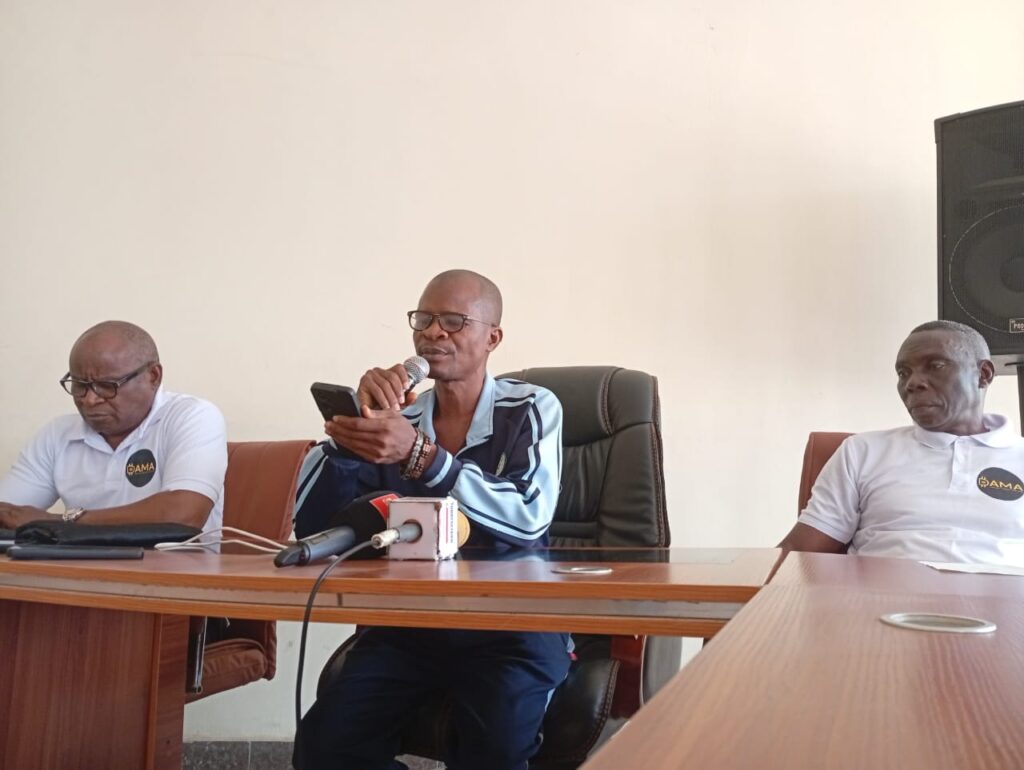
The launch event highlighted strong institutional support, with representatives from the FCT Education Secretariat joining DAMA Academy leaders. Their presence underscored the government’s interest in integrating blockchain, AI, and digital assets into education and innovation strategies.
Discussions during the conference highlighted Nigeria’s surging interest in cryptocurrency and blockchain, emphasizing the need for a comprehensive approach to harnessing their potential.
As Nigeria continues to navigate the complexities of the digital economy, the launch of Body Scan AI marks a significant step towards a more inclusive, technology-driven healthcare system.
Nwankwo Prince Ozioma stressed that while concerns about financial risks exist, blockchain’s traceable nature—through public ledgers and KYC compliance—offers built-in safeguards against misuse.
The academy frames Body Scan AI as a responsible application of these tools, demonstrating tangible benefits in healthcare rather than speculative finance.
This initiative aligns with Nigeria’s broader push toward digital infrastructure. With a young, tech-savvy population increasingly earning from digital opportunities, projects like Body Scan AI illustrate how localized innovation can bridge gaps in public health services.
The platform’s focus on early detection and secure data handling could significantly improve disease management in a country facing high burdens from conditions such as cancer, cardiovascular disease, and infectious diseases.
Technical Strengths and Potential Impact
Body Scan AI’s architecture combines AI for intelligent diagnostics, blockchain for robust security, and tokenomics for ecosystem incentives. Machine learning models process imaging data to flag potential issues, assisting rather than replacing medical professionals. Blockchain ensures audit trails for every data interaction, enhancing trust among users, providers, and regulators.
In a nation where healthcare infrastructure strains under population pressure, remote AI assessments promise efficiency gains. Reduced travel to facilities conserves resources and time, particularly beneficial in traffic-heavy cities like Lagos and Abuja. Immutable records also streamline sharing between providers, minimizing redundant tests and improving continuity of care.
The inclusion of a native token introduces novel incentives. Participants might earn SCANAI for contributing anonymized data or engaging with the platform, creating a virtuous cycle that accelerates adoption and data richness for AI training. While the application is yet to be fully deployed, its design signals readiness for a scalable rollout across Nigeria and potentially beyond.
Challenges and Path Forward
Despite the excitement, several hurdles remain. Regulatory clarity around digital health assets and AI diagnostics will be essential for widespread acceptance. Integration with existing healthcare systems, training for medical personnel, and ensuring equitable access in low-connectivity areas require careful planning.
Privacy concerns, though mitigated by blockchain, demand rigorous compliance with data protection standards.
DAMA Academy’s collaborative approach with government bodies positions it well to navigate these challenges. Ongoing pilot programs and stakeholder feedback will likely refine the platform before broader launch.
Conclusion: A Step Toward Tech-Driven Healthcare Transformation in Nigeria
Nigeria’s DAMA Academy has taken a pioneering stride with the unveiling of Body Scan AI, blending blockchain, artificial intelligence, and digital incentives into a forward-thinking health platform.
This innovation addresses critical needs for secure data management, early disease detection, and accessible diagnostics in a rapidly digitizing society. By partnering with educational and governmental entities, the project gains credibility and momentum, signaling Nigeria’s potential to lead in African digital health solutions.
As the nation grapples with healthcare disparities and embraces emerging technologies, initiatives like Body Scan AI exemplify how strategic innovation can deliver real-world impact.
Empowering citizens with tools for proactive health while building secure, decentralized systems fosters resilience and opportunity. With responsible deployment and continued collaboration, this platform could redefine healthcare delivery, inspiring similar advancements across the continent and contributing to a healthier, more connected future.