


Nigeria wins $6.2M arbitration vs. European tech firm
-
Afeez Sanusi

- February 25, 2026
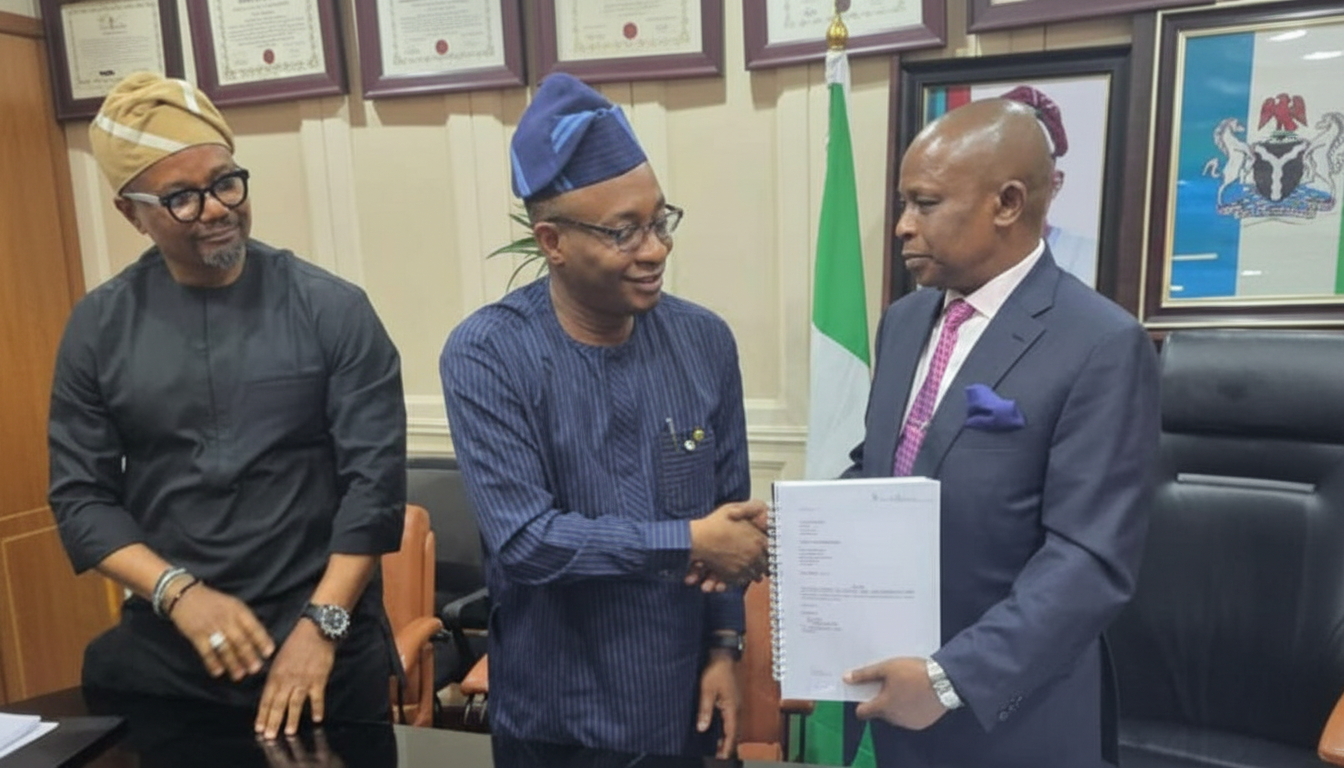
Nigeria has won a $6.2 million arbitration case against European Dynamics UK Ltd, avoiding a potential payout that would have added to the country’s history of costly international disputes.
On the surface, it’s a modest financial victory. In context, it’s a governance signal. The ruling suggests Nigeria is becoming more disciplined in how it structures, monitors, and defends public contracts, particularly in international arbitration.
The decision, delivered by sole arbitrator Funmi Roberts, dismissed all claims brought against the Federal Government. The award is final.
But the money is only part of the story.
The Contract Behind the Nigeria Arbitration Case
The dispute stemmed from a contract to design and implement a national electronic government procurement (eGP) platform for the Bureau of Public Procurement.
Backed by the World Bank, the project aimed to digitize Nigeria’s federal procurement system, a reform designed to increase transparency, reduce leakages, and standardize government purchasing.
European Dynamics claimed it had completed key milestones and sought $6.2 million in payments and damages. Nigeria disagreed.
At the heart of the dispute was whether the contractor had actually delivered what the contract required.
Nigeria argued that payments were strictly performance-based. No verified performance, no payment. A User Acceptance Test conducted by the BPP reportedly revealed significant deficiencies in the software, including functional gaps and non-compliance with agreed specifications.
The tribunal upheld that position. It ruled that the defects were the contractor’s responsibility and that there was no basis for payment on incomplete or unapproved phases of work.
In arbitration, documentation beats assertion. Nigeria had the paperwork.
What This Win Means After the P&ID Case
To understand the significance of this Nigeria arbitration case, you have to rewind to the Process and Industrial Developments Ltd saga.
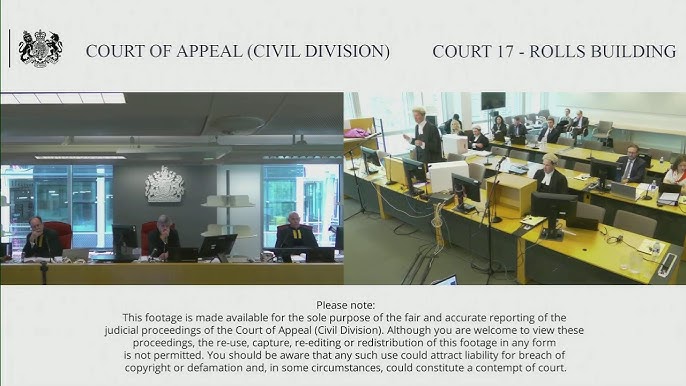
In that dispute, Nigeria faced an $11 billion arbitral award over a failed 2010 gas agreement. Although a UK court set aside the award in 2023 after finding fraud and corruption, the case exposed weaknesses in contract oversight, negotiation processes, and internal coordination.
It was a reputational shock.
Since then, Nigerian authorities have emphasized tighter milestone definitions, stricter monitoring mechanisms, and stronger legal strategy in cross-border disputes. This $6.2 million case may not be comparable in scale, but it reflects that institutional learning.
Instead of scrambling defensively, Nigeria leaned into technical compliance standards and contractual clarity.
That shift is strategic.
A Broader Message to Contractors and Investors
For foreign contractors, the ruling reinforces a simple principle about payment flows from verified delivery. Attempts to reinterpret milestones or merge project phases without documented approval are unlikely to succeed under scrutiny.
This outcome strengthens its credibility in international arbitration. Consistent enforcement of contracts reduces uncertainty, and reduced uncertainty lowers perceived risk.
Public procurement accounts for a substantial portion of government spending. If milestone discipline becomes standard practice, fiscal exposure to disputed claims shrinks over time.
Beyond $6.2 Million
The financial savings are immediate. The reputational dividends may last longer. Nigeria has often found itself defending large claims in international arbitration. This case shows a government increasingly prepared to defend its position with technical evidence and contractual precision.
Governance reform is rarely dramatic. It is procedural. It lives in definitions, audits, compliance reports, and test results.
The Nigeria arbitration case against European Dynamics suggests that those quiet systems milestone tracking, software validation, documentation discipline are beginning to work.And in international arbitration, that discipline can be worth far more than $6.2 million.